






This article is sponsored by SMU Cox School of Business. Learn more about its full-time MBA program here.
A full-time MBA at a top business school can cost anywhere between US$30,000 and north of US$200,000 – an investment that deserves the guarantee of some very healthy returns. Career acceleration is one of the primary reasons candidates opt for an MBA, with as many as 58% of MBA applicants citing management or leadership positions as their immediate post-MBA career goal.
Investment not only happens on a monetary level (bearing in mind the average payback in North America is four and a half years) – it also happens on a personal level, where 100% engagement is strongly encouraged, and indeed expected, by the business school and industry elite.
"Treat an MBA program as if you're training for a triathlon," explains Lisa Tran, executive director of the Career Management Center at SMU Cox School of Business in Dallas, Texas. "There are three parts to your MBA; your academic experience, your job search and that all important social piece. All three have to be integrated," she explains.
To understand the full extent of what this means in practice, and to ascertain how best to make the most of the support and job training a top MBA offers, Lisa and two SMU Cox alumni unpack the three-part race.
The MBA academic experience
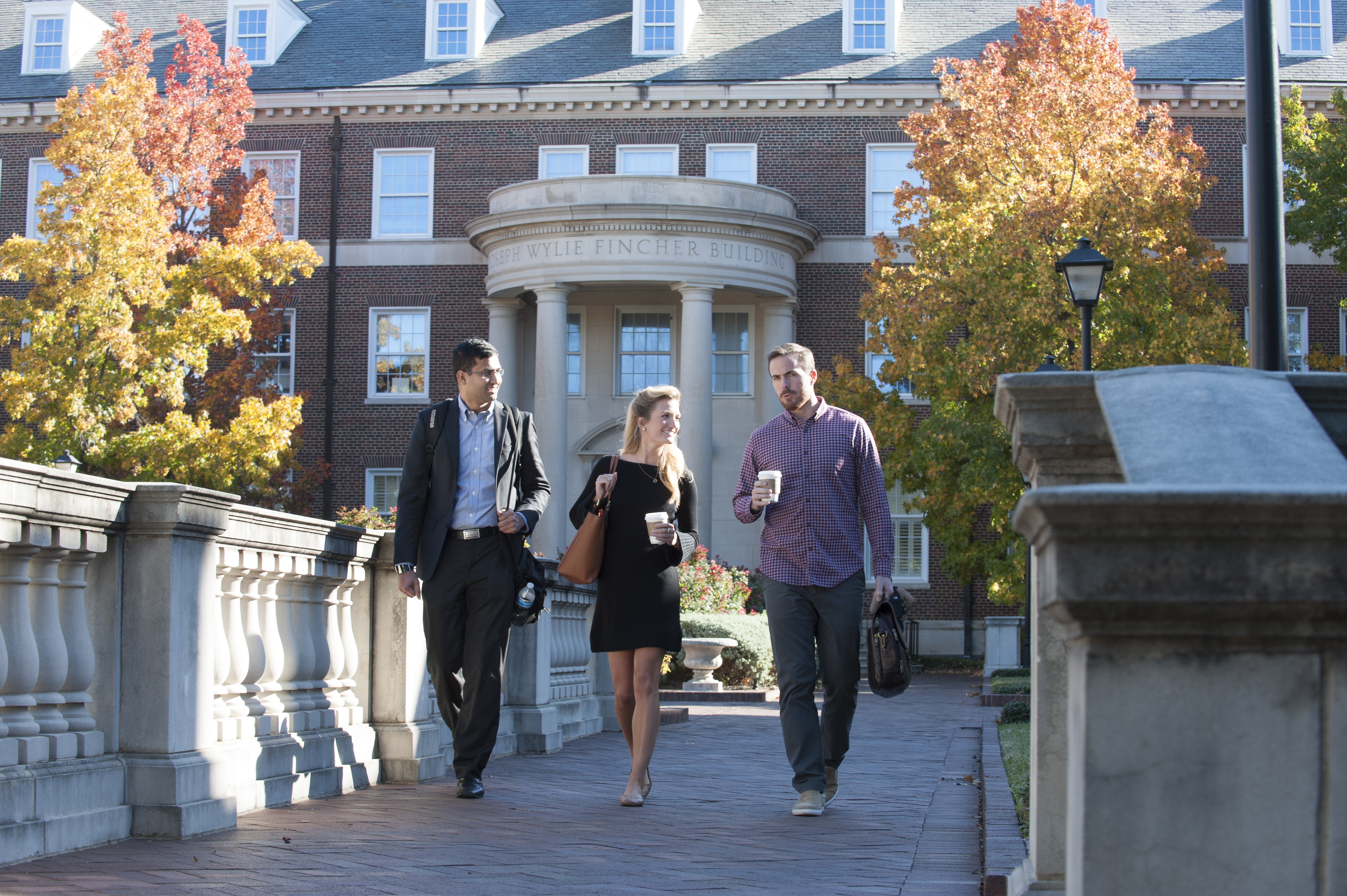
The Cox School of Business Full-Time MBA program may be two years long, but the scope for new knowledge is vast – doorstop volumes worth of the latest in business know-how, and you have to be fully on board and keen to digest it with gusto.
Akshay Lazarus, a 2014 graduate, expands on some of the skills his two years at SMU Cox delivered. Echoing Chad, he says, "I learned the framework to think strategically in order to formulate and define a game plan." He also discusses building his proficiency in analyzing business metrics, deep diving into complex data and using this dissection to build robust financial models and business cases. "You develop an appetite for looking at intrapreneurial opportunities; redesigning a company's internal operating models, for example," Akshay enthuses.
Then there are the soft skills; leadership and teamwork, for example. "I became confident in interacting with people from diverse backgrounds and functions, and skillful at managing different personalities. I learned to take projects from concept to completion with my team, managing risk along the way," says Akshay.
After graduating from the MBA program, Akshay was promptly hired, first by PwC as a consultant and then, through his SMU Cox network connections, by Amazon as a senior project manager.







Get closer to your dream programme
Your consent preferences have been set.
Time to start exploring.
Your account has been removed.
You can still browse the site or sign up again once you have parental consent.
Get closer to your dream programme